Entrada de voz privacy-first: Guía completa de speech-to-text local en 2026
La privacidad de la entrada por voz depende de la ruta configurada. Traza por separado el audio grabado, la transcripción de STT y el texto pulido por LLM, y revisa el endpoint, la red, los registros y la retención de cada etapa.
El problema de privacidad de la entrada por voz
El reconocimiento integrado puede enviar audio a un servicio externo según el sistema y la configuración. Antes de dictar, revisa permisos, historial, controles de borrado y la política vigente del proveedor.
El riesgo aumenta con notas clínicas, documentos legales, informes financieros o código privado. Clasifica la sensibilidad, identifica al operador del endpoint y revisa quién accede a los registros.
- Con una ruta STT en la nube o remota, el audio puede llegar a un endpoint de terceros; verifica la dirección real.
- La grabación o sus metadatos pueden conservarse según la cuenta y la política; revisa el plazo de retención y el borrado.
- El control de calidad puede incluir revisión humana si los términos lo permiten; comprueba la exclusión y el contrato.
- La voz puede revelar identidad o estado aunque el texto final sea breve; trata el audio como información sensible.
- La región, los registros o la política pueden cambiar; revisa de nuevo la ruta tras modificar la aplicación, la cuenta o el proveedor.
¿Qué es la conversión local de voz a texto?
STT local significa un endpoint de reconocimiento en un dispositivo o servidor que controlas. La etiqueta no basta: verifica URL, descargas y actualizaciones del modelo, registros y la ruta LLM separada.
Una etiqueta local es solo un punto de partida: rastree la STT URL, el host, la fuente del modelo, el tráfico de actualización y los registros de la ruta implementada.
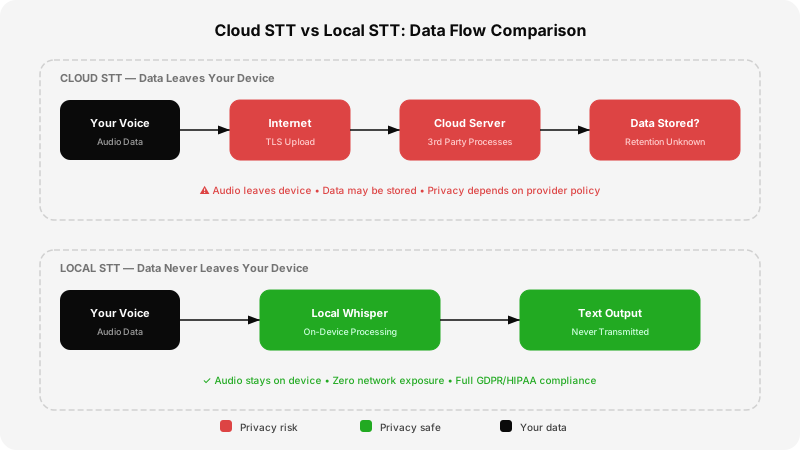
Comparar la ruta de datos de STT local y en la nube
Compara precisión medida con la misma muestra, latencia desde la grabación al texto, ruta de red, mantenimiento y coste actual. El resultado depende del dispositivo, el idioma y la configuración.
Revisar la precisión
Ejecuta las mismas grabaciones representativas en cada motor y anota errores de palabras, nombres y puntuación para tu idioma y micrófono. Repite la prueba al cambiar el modelo.
Revisar la latencia
Mide en el dispositivo objetivo desde que acaba la grabación hasta que aparece el texto. Separa red, decodificación y pulido LLM, y prueba con conexión normal, débil y desconectada.
Revisar la privacidad
Privacidad — En una ruta STT en la nube, el audio se envía al punto final del proveedor y queda sujeto a sus condiciones de procesamiento y retención. Una configuración STT local puede reducir esa exposición solo si el punto final elegido y sus dependencias permanecen realmente en el equipo. Para flujos sensibles, comprueba el tráfico de red y revisa la configuración de todos los proveedores implicados.
- Las posibles ventajas de la nube son una gestión sencilla y actualizaciones del proveedor; revisa región, cuenta y política antes de usar datos sensibles.
- En una ruta de nube, el audio o el texto pueden atravesar infraestructura de terceros y quedar en registros o retención; revisa el contrato y los controles.
- Posible ventaja de una ruta local: menor exposición del audio cuando el punto final y sus dependencias permanecen en el equipo. La configuración completa sigue necesitando una revisión de cumplimiento de GDPR y HIPAA.
- Una ruta local requiere recursos y mantenimiento del modelo y del servidor; las actualizaciones o la etapa LLM pueden usar la red según la configuración.
Revisión normativa y de riesgos
Identifica las normas y contratos aplicables a tu organización. Revisa con especialistas consentimiento, lugar de tratamiento, retención, borrado, acceso y copias; la etiqueta local no demuestra cumplimiento.
En sectores regulados, cada ruta de voz requiere una evaluación propia. Para los puntos finales en la nube, revisa el acuerdo de tratamiento, la residencia y retención de datos, el consentimiento y los procedimientos de acceso o supresión. Una configuración STT local puede reducir las transferencias a terceros, pero no elimina la necesidad de revisar técnica y jurídicamente el flujo completo.
Elegir un motor STT local adecuado
Compara motores en el dispositivo final con audio representativo. Documenta origen y licencia del modelo, actualizaciones, memoria, errores medidos y registros, y decide según la prueba.
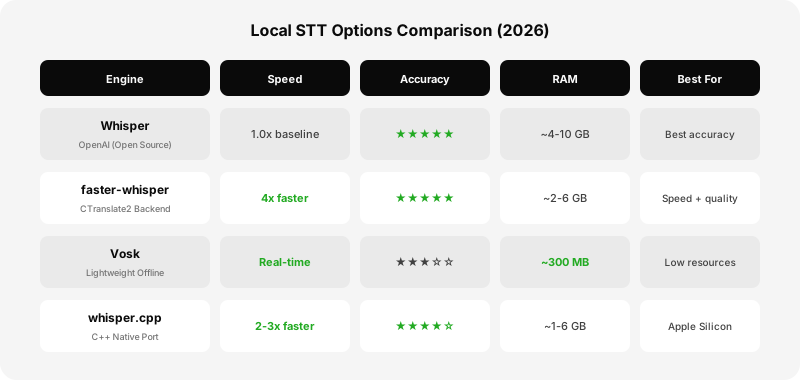
Whisper (OpenAI)
Para una ruta compatible con Whisper, registre la implementación, el archivo de modelo, el operador del host, la fuente de actualización y la configuración de retención.
OpenTypeless Separación de ruta
Un punto final Custom Whisper-compatible maneja STT; Ollama maneja solo la etapa local separada LLM. Valide cada URL y dependencia.
Vosk
Para Vosk, documente el host, el modelo de lenguaje, las actualizaciones de paquetes, los registros y los errores de transcripción medidos antes de la implementación.
whisper.cpp
Para whisper.cpp, confirme la compilación, el archivo de modelo, el proceso de host, el registro y el flujo de trabajo de actualización en la máquina de destino.
Cómo permite OpenTypeless elegir la ruta
Cómo OpenTypeless te permite elegir la ruta — OpenTypeless mantiene separadas las dos etapas: configura un punto final Custom Whisper-compatible para una ruta STT local o autoalojada y usa Ollama solo como proveedor LLM para el pulido de texto. El comportamiento de red depende de la configuración completa y debe verificarse.
Configurar entrada por voz con privacidad como prioridad
Configurar una entrada de voz centrada en la privacidad — Para una ruta centrada en la privacidad, configura primero un punto final Custom Whisper-compatible para STT y después Ollama como LLM local para el pulido. Revisa los puntos finales, las descargas y actualizaciones de modelos y el tráfico real antes de tratar contenido sensible.